 IT
IT
 HI
HI
 VI
VI
 AR
AR
 ZH
ZH
 EN
EN
 FR
FR
 DE
DE
 PT
PT
 RU
RU
 ES
ES
 TR
TR

Understanding Railroad Settlement and Aplastic Anemia: What You Need to Know
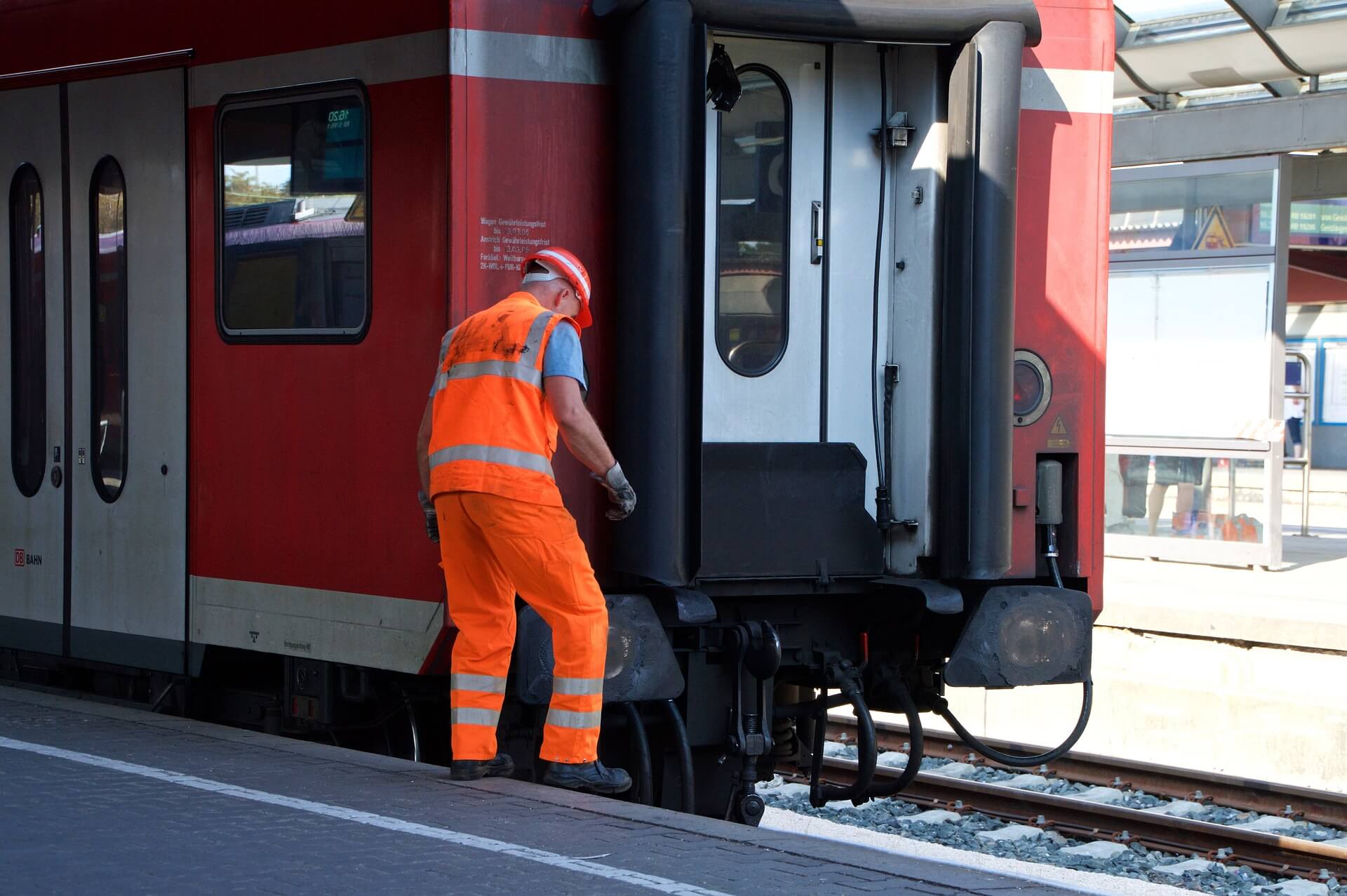
Aplastic anemia is a severe medical condition where the bone marrow fails to produce enough blood cells. This can lead to a series of health problems, consisting of fatigue, increased risk of infections, and unrestrained bleeding. Railroad employees, to name a few exposed populations, might be at threat for establishing aplastic anemia due to direct exposure to particular toxic compounds. This short article explores the link between occupational direct exposure in the railroad industry and aplastic anemia, highlighting prospective legal opportunities for affected individuals through settlements.
The Connection Between Railroad Work and Aplastic Anemia
Aplastic anemia can develop from different elements, including hereditary disorders, autoimmune illness, and direct exposure to harmful ecological compounds. Railroad employees may experience numerous chemicals and products throughout their employment that could add to the advancement of this condition. Typical exposures might include:
Benzene: A recognized carcinogen typically discovered in fuel and solvents.Pesticides and Herbicides: Chemicals regularly used in the maintenance of the railway right-of-way.Asbestos Fibers Exposure: A substance formerly utilized in insulation and other materials in rail automobiles and train elements.
While the relationship in between these exposures and the incidence of aplastic anemia may not be simple, research studies suggest that chronic exposure to hazardous compounds can increase an individual's danger of establishing this life-altering condition.
Indications and Symptoms of Aplastic Anemia
Acknowledging the symptoms and signs of aplastic anemia can be important for prompt medical diagnosis and treatment. Typical indicators consist of:
Fatigue and Weakness: Due to low red blood cell counts.Frequent Infections: Linked to a decreased variety of white blood cells.Easy Bruising or Bleeding: Resulting from low platelet counts.Pale Skin: A symptom of anemia.
If railroad employees or their households observe these signs, looking for medical suggestions without delay can assist in determining the underlying cause and initiating treatment.
Railroad Settlements and Legal Recourse
For those diagnosed with aplastic anemia perhaps linked to their work in the railroad market, looking for compensation might be an alternative. Railroad settlements can provide financial backing, specifically for medical bills and lost incomes. Nevertheless, pursuing a settlement frequently requires browsing complicated legal channels.
Steps to Take for Seeking CompensationMedical Documentation: Obtain an extensive medical diagnosis of aplastic anemia.Exposure History: Document any potential exposures, consisting of chemical exposure and working conditions.Seek advice from an Attorney: Engage with legal experts experienced in railroad employee cases to assess prospective claims.Sue: Your attorney can assist with filing required claims versus the railroad companies or responsible celebrations.Types of Settlements
Railroad employees may be qualified for different types of compensation, including:
Settlement TypeDescriptionEmployees' CompensationProvides wage replacement and medical advantages for work-related injuries.Accident ClaimsFor cases involving negligence or unsafe working conditions.Harmful Tort ClaimsIf the health problem can be connected directly to hazardous direct exposure in the office.
Comprehending the nuances of these settlements can assist affected people navigate their legal choices successfully.
Treatment Options for Aplastic Anemia
Treatment for aplastic anemia can differ based upon severity and the patient's overall health. Typical treatment strategies consist of:
Blood Transfusions: To manage low blood counts and improve signs.Bone Marrow Transplant: A potential treatment for serious cases including compatible donors.Immunosuppressive Therapy: Medications focused on suppressing the body immune system's attack on the bone marrow.Helpful Care: Addressing infections and other problems developing from the condition.
It's important for individuals identified with aplastic anemia to work closely with their healthcare companies to identify the finest strategy.
Frequently Asked Questions About Railroad Settlement and Aplastic Anemia
What is aplastic anemia?Aplastic anemia is a rare condition where the bone marrow does not produce sufficient blood cells, resulting in a series of health issues. How may railroad work contribute
to aplastic anemia?Railroad employees might be exposed to harmful chemicals
, such as benzene or pesticides, which can possibly lead to the advancement of aplastic anemia. Can I submit a claim if I have aplastic anemia and worked in the railroad
industry?Yes, if there is evidence suggesting that your condition is connected to workplace direct exposure, you might be eligible to sue. How can I prove my exposure to dangerous substances?Documenting your work history, including jobs performed and substances managed, can support your claim.
Furthermore, medical records revealing a medical diagnosis of aplastic anemia can be necessary. What is the initial step in seeking a railroad settlement?Consulting with an attorney who specializes in railroad worker cases is the initial step towards understanding your legal options and rights.
Aplastic anemia poses substantial health challenges, particularly for those with potential office exposure, such as railroad employees. Comprehending the dangers, signs, and the legal opportunities available for seeking payment can empower people facing this diagnosis. By taking educated steps and speaking with legal experts, impacted individuals can navigate their journey towards recovery and monetary assistance better. If you or somebody you know is battling with aplastic anemia linked to railroad work, it is important to act quickly to protect the essential resources and support.
Aplastic anemia is a severe medical condition where the bone marrow fails to produce enough blood cells. This can lead to a series of health problems, consisting of fatigue, increased risk of infections, and unrestrained bleeding. Railroad employees, to name a few exposed populations, might be at threat for establishing aplastic anemia due to direct exposure to particular toxic compounds. This short article explores the link between occupational direct exposure in the railroad industry and aplastic anemia, highlighting prospective legal opportunities for affected individuals through settlements.
The Connection Between Railroad Work and Aplastic Anemia
Aplastic anemia can develop from different elements, including hereditary disorders, autoimmune illness, and direct exposure to harmful ecological compounds. Railroad employees may experience numerous chemicals and products throughout their employment that could add to the advancement of this condition. Typical exposures might include:
Benzene: A recognized carcinogen typically discovered in fuel and solvents.Pesticides and Herbicides: Chemicals regularly used in the maintenance of the railway right-of-way.Asbestos Fibers Exposure: A substance formerly utilized in insulation and other materials in rail automobiles and train elements.
While the relationship in between these exposures and the incidence of aplastic anemia may not be simple, research studies suggest that chronic exposure to hazardous compounds can increase an individual's danger of establishing this life-altering condition.
Indications and Symptoms of Aplastic Anemia
Acknowledging the symptoms and signs of aplastic anemia can be important for prompt medical diagnosis and treatment. Typical indicators consist of:
Fatigue and Weakness: Due to low red blood cell counts.Frequent Infections: Linked to a decreased variety of white blood cells.Easy Bruising or Bleeding: Resulting from low platelet counts.Pale Skin: A symptom of anemia.
If railroad employees or their households observe these signs, looking for medical suggestions without delay can assist in determining the underlying cause and initiating treatment.
Railroad Settlements and Legal Recourse
For those diagnosed with aplastic anemia perhaps linked to their work in the railroad market, looking for compensation might be an alternative. Railroad settlements can provide financial backing, specifically for medical bills and lost incomes. Nevertheless, pursuing a settlement frequently requires browsing complicated legal channels.
Steps to Take for Seeking CompensationMedical Documentation: Obtain an extensive medical diagnosis of aplastic anemia.Exposure History: Document any potential exposures, consisting of chemical exposure and working conditions.Seek advice from an Attorney: Engage with legal experts experienced in railroad employee cases to assess prospective claims.Sue: Your attorney can assist with filing required claims versus the railroad companies or responsible celebrations.Types of Settlements
Railroad employees may be qualified for different types of compensation, including:
Settlement TypeDescriptionEmployees' CompensationProvides wage replacement and medical advantages for work-related injuries.Accident ClaimsFor cases involving negligence or unsafe working conditions.Harmful Tort ClaimsIf the health problem can be connected directly to hazardous direct exposure in the office.
Comprehending the nuances of these settlements can assist affected people navigate their legal choices successfully.
Treatment Options for Aplastic Anemia
Treatment for aplastic anemia can differ based upon severity and the patient's overall health. Typical treatment strategies consist of:
Blood Transfusions: To manage low blood counts and improve signs.Bone Marrow Transplant: A potential treatment for serious cases including compatible donors.Immunosuppressive Therapy: Medications focused on suppressing the body immune system's attack on the bone marrow.Helpful Care: Addressing infections and other problems developing from the condition.
It's important for individuals identified with aplastic anemia to work closely with their healthcare companies to identify the finest strategy.
Frequently Asked Questions About Railroad Settlement and Aplastic Anemia
What is aplastic anemia?Aplastic anemia is a rare condition where the bone marrow does not produce sufficient blood cells, resulting in a series of health issues. How may railroad work contribute
to aplastic anemia?Railroad employees might be exposed to harmful chemicals
, such as benzene or pesticides, which can possibly lead to the advancement of aplastic anemia. Can I submit a claim if I have aplastic anemia and worked in the railroad
industry?Yes, if there is evidence suggesting that your condition is connected to workplace direct exposure, you might be eligible to sue. How can I prove my exposure to dangerous substances?Documenting your work history, including jobs performed and substances managed, can support your claim.
Furthermore, medical records revealing a medical diagnosis of aplastic anemia can be necessary. What is the initial step in seeking a railroad settlement?Consulting with an attorney who specializes in railroad worker cases is the initial step towards understanding your legal options and rights.
Aplastic anemia poses substantial health challenges, particularly for those with potential office exposure, such as railroad employees. Comprehending the dangers, signs, and the legal opportunities available for seeking payment can empower people facing this diagnosis. By taking educated steps and speaking with legal experts, impacted individuals can navigate their journey towards recovery and monetary assistance better. If you or somebody you know is battling with aplastic anemia linked to railroad work, it is important to act quickly to protect the essential resources and support.
QR Code
Inquiries
Made By Cards
